knots for camping pdf
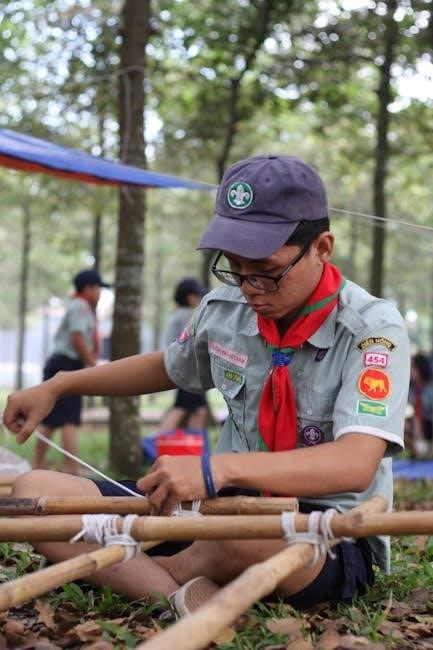
Navigating the wilderness demands skill, and mastering essential camping knots is paramount for safety and efficiency. A comprehensive “knots for camping PDF”
can be a lifesaver, offering visual guides and detailed instructions for various situations encountered during outdoor adventures.
Why Knot Knowledge is Crucial for Camping
Understanding and utilizing appropriate knots transforms a camping trip from precarious to secure. From constructing a reliable shelter to safely securing gear and food, knots are fundamental. A readily accessible “knots for camping PDF” becomes an invaluable resource when facing unpredictable conditions.
Properly tied knots ensure tent lines remain taut, preventing collapse during inclement weather. They facilitate the creation of secure anchor points for hanging food, protecting it from wildlife. Knowing essential knots allows for quick repairs of damaged equipment, extending the lifespan of your gear.
Ultimately, knot proficiency fosters self-reliance and enhances the overall camping experience, providing peace of mind and the ability to handle challenges effectively.
Understanding Rope Types for Camping
Selecting the correct rope is as crucial as knowing the knots themselves. Different materials offer varying strengths, flexibility, and resistance to abrasion. A detailed “knots for camping PDF” often includes a section dedicated to rope characteristics, aiding informed decisions.
Nylon ropes are popular due to their high strength and elasticity, making them suitable for dynamic loads like climbing or rescue situations. Polypropylene ropes are lightweight and float, ideal for water-based activities. Polyester ropes offer low stretch and excellent UV resistance, perfect for long-term exposure.
Consider the rope’s diameter and construction – twisted, braided, or kernmantle – based on intended use. Understanding these nuances, alongside knot-tying skills, ensures optimal safety and performance during your camping adventures.
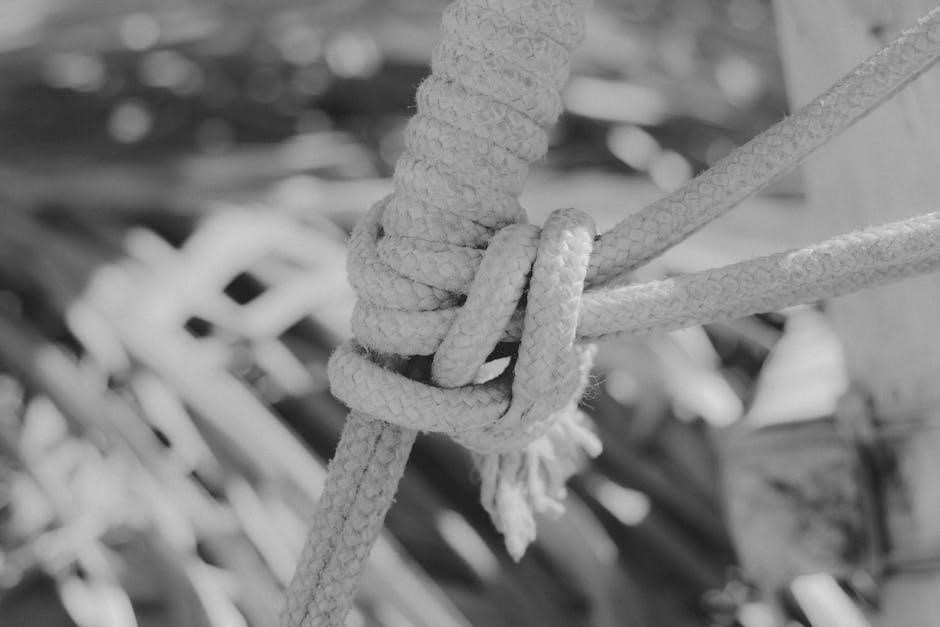
Essential Knots for Shelter Building
A “knots for camping PDF” highlights crucial techniques for constructing secure shelters. Mastering these knots ensures a stable and protective haven in the wilderness.
The Taut-Line Hitch: Adjusting Tent Lines
The Taut-Line Hitch is indispensable for tent setup, allowing for precise adjustment of guylines. A detailed “knots for camping PDF” will visually demonstrate how to tie this versatile knot, crucial for maintaining tent tautness in varying weather conditions. It’s easily adjustable, even under tension, making it ideal for securing tent lines, tarps, and other shelter components.
Properly tied, it prevents sagging and ensures your shelter remains stable and weatherproof. The PDF will likely show step-by-step diagrams, emphasizing the wrapping and locking mechanisms. Understanding this knot is fundamental for comfortable and secure camping, preventing issues like water pooling or tent collapse during inclement weather. Practice makes perfect – a PDF guide is an excellent starting point!
The Square Knot (Reef Knot): Joining Ropes
The Square Knot, also known as the Reef Knot, is a fundamental knot for joining two ropes of similar diameter. A comprehensive “knots for camping PDF” will illustrate its construction, emphasizing the “right over left, then left over right” sequence. While seemingly simple, it’s crucial to tie it correctly to avoid it slipping under load – a common mistake highlighted in detailed guides.
This knot is ideal for tasks like tying bandages, securing bundles, or temporarily joining rope lengths. However, it’s not recommended for critical applications where life or safety is at stake. The PDF will likely caution against using it for climbing or situations requiring high strength. Mastering the Square Knot, alongside understanding its limitations, is a valuable skill for any camper.
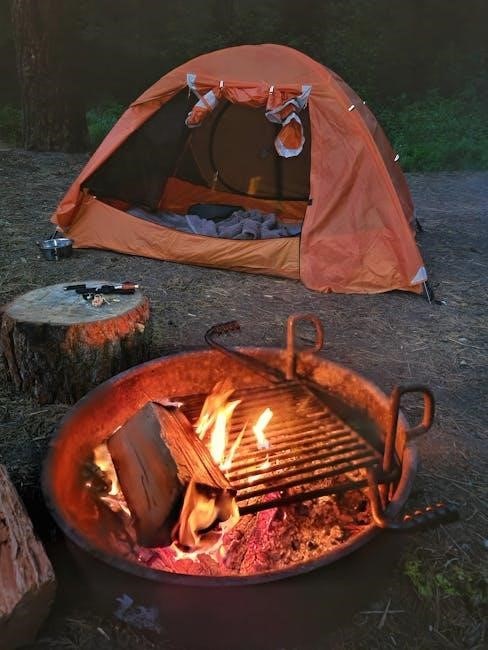
Knots for Securing Gear
Reliably securing your equipment is vital; a “knots for camping PDF” details essential techniques. Learn to confidently attach items, preventing loss or damage during your journey.

The Bowline: Creating a Fixed Loop
The bowline, often called the “King of Knots,” is renowned for its ability to create a secure, fixed loop that won’t slip under load. A detailed “knots for camping PDF” will visually demonstrate its construction, emphasizing the rabbit-around-the-tree mnemonic for easy memorization. This loop is incredibly versatile – perfect for attaching a rope to an anchor point, creating a rescue loop, or even hoisting gear.
Its strength and reliability make it a cornerstone of camping knot knowledge. The PDF will likely illustrate how to properly dress and set the knot, ensuring maximum holding power. Mastering the bowline provides peace of mind, knowing you have a dependable loop for various tasks, from securing a clothesline to emergency situations. Practice is key to quick and accurate tying!
The Clove Hitch: Attaching to Poles
The clove hitch is a remarkably simple yet effective knot for quickly attaching a rope to a pole, tree, or ring. A “knots for camping PDF” will showcase its ease of tying and untying, even after being heavily loaded – a crucial feature in dynamic camping scenarios. It’s ideal for securing tent guylines, creating temporary lashings, or starting more complex structures.
However, the PDF will likely caution that the clove hitch isn’t the most secure knot on its own and can slip if not under constant tension. Therefore, it’s often used in conjunction with other knots for added security. Visual aids within the PDF will demonstrate proper wrapping and tightening techniques, ensuring a firm hold. Practice makes perfect for swift and reliable attachment!

Knots for Hanging Food & Bear Safety
A “knots for camping PDF” details crucial techniques for safely suspending food, protecting it from wildlife. Mastering these knots is vital for responsible backcountry practices.
The Bear Bag Knot (PCT Knot): Hanging Food Safely
The PCT knot, detailed in many “knots for camping PDF” guides, is a game-changer for bear country food storage. This clever system allows you to hoist a food bag efficiently, creating a bear-resistant hang. Unlike simpler methods, the PCT knot allows for easy adjustment and retrieval, even with a full bag;
A quality PDF will illustrate the knot’s construction step-by-step, emphasizing the importance of a proper throw line and carabiner. It’s crucial to hang the bag at least 12 feet off the ground and 4 feet from any tree trunk or branch – a “knots for camping PDF” will visually demonstrate these distances. Practicing this knot before your trip is essential, ensuring you can reliably deploy it when needed. Remember, proper food storage protects both you and the bears!
The Figure Eight Follow Through: Secure Attachment Point
The Figure Eight Follow Through, extensively covered in “knots for camping PDF” resources, is a foundational knot for creating a robust and reliable attachment point. It’s exceptionally strong and relatively easy to untie, even after being heavily loaded – a critical feature in demanding outdoor scenarios.
A detailed “knots for camping PDF” will showcase how to properly thread the rope through a carabiner or anchor point, ensuring a secure connection. This knot excels when attaching to climbing harnesses, creating tie-offs, or securing lines to fixed objects. Mastering the Figure Eight Follow Through provides peace of mind, knowing your gear is securely fastened. Practice tracing the figure-eight pattern repeatedly until it becomes second nature, referencing a PDF for visual clarity. Always double-check your work!

Advanced Camping Knots
For experienced campers, a “knots for camping PDF” unlocks complex techniques. These knots, like the Prusik and Trucker’s Hitch, offer specialized solutions for challenging situations.
The Prusik Knot: Ascending a Rope
The Prusik knot is a friction hitch invaluable for rope ascending, creating a movable loop that grips when loaded. A detailed “knots for camping PDF” will visually demonstrate its construction – wrapping a cord around a rope, allowing it to slide freely when unloaded, and grip firmly when weight is applied.
This knot is crucial for tasks like ascending a fixed line, creating a self-rescue system, or establishing a mechanical advantage in challenging terrain. Mastering the Prusik requires practice; a PDF guide aids in understanding the wrap count and cord diameter considerations for optimal performance. Incorrect tying can lead to slippage, so careful study is essential. It’s a cornerstone of advanced rope work, offering versatility and safety when properly executed.
The Trucker’s Hitch: Creating Mechanical Advantage
The Trucker’s Hitch is a compound knot system providing a significant mechanical advantage for tightening ropes, ideal for securing tarps or creating tensioned ridgelines. A “knots for camping PDF” will illustrate how it combines a loop to create a 3:1 or even 6:1 advantage, reducing the force needed to achieve a tight line.
This knot is exceptionally useful when securing loads or establishing a taut shelter. The PDF should detail the proper sequence – creating a loop, passing the rope through it, and then tightening. Understanding the locking hitch component is vital to prevent slippage. Practice is key; a visual guide simplifies the process. It’s a powerful tool for any camper needing substantial tensioning capabilities.
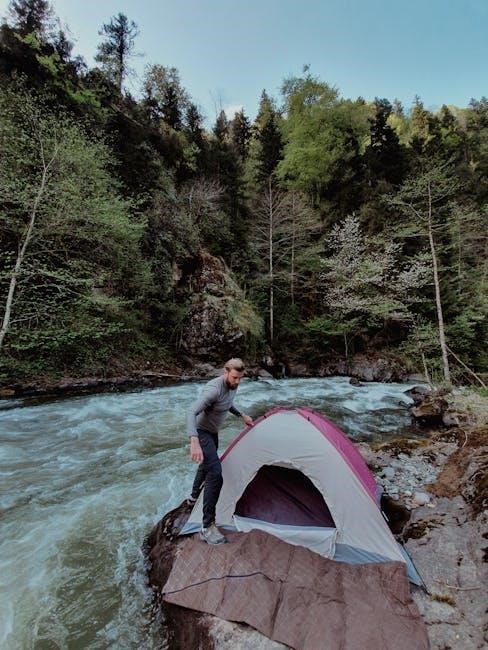
Resources & Further Learning
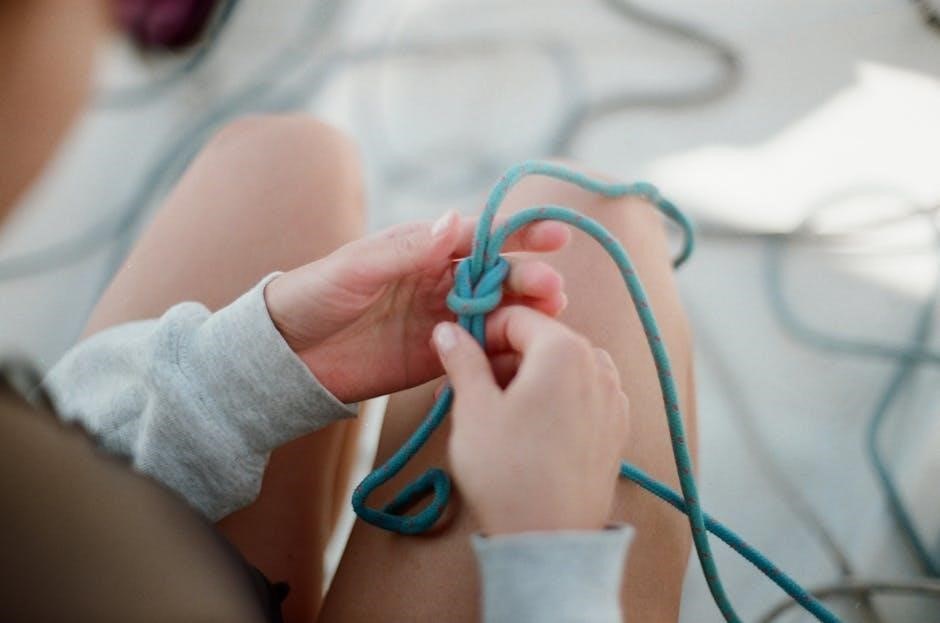
Numerous online resources and “knots for camping PDF” guides offer detailed instructions and visual aids to enhance your knot-tying proficiency and confidence.
Finding a Comprehensive “Knots for Camping PDF”
Locating a reliable “knots for camping PDF” is a fantastic starting point for learning essential ropework. Many outdoor recreation websites and scouting organizations offer free downloadable guides. These PDFs typically include diagrams and step-by-step instructions for a wide range of knots, categorized by their uses – shelter building, gear securing, and emergency situations.
Look for PDFs that clearly illustrate each step and provide explanations of the knot’s strengths and weaknesses. Some resources even include videos linked within the PDF for a more dynamic learning experience. Prioritize guides from reputable sources to ensure accuracy and safety. Remember to save the PDF to your device for offline access during your camping trips, where internet connectivity may be limited.
Online Knot Tying Tutorials & Videos
Supplementing a “knots for camping PDF” with online tutorials and videos dramatically enhances learning. Platforms like YouTube host countless knot-tying demonstrations, often featuring slow-motion replays and clear explanations. Animated knot tutorials are particularly helpful for visualizing the process. Websites dedicated to outdoor skills frequently embed video lessons alongside written instructions.
Search for specific knots you want to master, or follow a structured course covering essential camping knots. Pay attention to videos that emphasize proper technique and safety precautions. Practicing alongside the video, pausing and rewinding as needed, solidifies your understanding. Remember that visual learning complements PDF guides, creating a well-rounded skillset for confident knot tying in the wilderness.

Knot Safety & Best Practices
Prioritize safety: a “knots for camping PDF” is a guide, not a substitute for careful practice. Regularly inspect ropes for wear, and always double-check your work!
Regular Rope Inspection
Before each camping trip, and even during extended stays, a thorough rope inspection is absolutely critical for safety. A helpful “knots for camping PDF” often includes a section detailing what to look for when assessing rope integrity. Examine the entire length of the rope, feeling for any soft spots, abrasions, or discoloration. Pay close attention to areas that have been subjected to stress, such as where knots were tied or where the rope rubbed against rocks or branches.
Look for any signs of internal damage, which can be difficult to detect visually. If you suspect internal damage, retire the rope immediately. Also, check for cuts, burns, or chemical exposure. A damaged rope can fail unexpectedly, potentially leading to serious injury. Remember, replacing a rope is far cheaper than dealing with the consequences of a rope failure in the wilderness. Always err on the side of caution!
Practicing Knots Before Your Trip
Don’t wait until you’re in the field to learn or refresh your knot-tying skills! Many “knots for camping PDF” guides emphasize the importance of practice. Dedicate time before your trip to familiarize yourself with the essential knots you’ll need. Practice tying them repeatedly until you can do so quickly and accurately, even with gloves on or in low-light conditions.
Consider using a length of rope at home to simulate real-world scenarios. Practice tying knots while visualizing how they will be used for shelter building, gear securing, or food hanging. This muscle memory will be invaluable when you need to rely on these skills in the wilderness. A “knots for camping PDF” can serve as your practice guide, ensuring you master each technique before venturing out.
Troubleshooting Common Knot Problems
A “knots for camping PDF” often includes a troubleshooting section. Identifying why knots slip or come undone—incorrect tying, rope wear—is crucial for safety.
Knots Slipping or Coming Undone
Understanding why your carefully tied knots are failing is vital for a safe camping experience. A good “knots for camping PDF” will dedicate significant space to troubleshooting this common issue. Several factors contribute to knot failure; often, it’s simply incorrect tying – a missed wrap, insufficient tightening, or using the wrong knot for the task.
Rope wear and tear also play a crucial role. Inspect your ropes regularly for abrasions, fraying, or internal damage. A compromised rope significantly reduces knot security. Furthermore, dynamic loads (sudden jerks or impacts) can loosen even well-tied knots.
Always dress your knots properly – ensuring all parts are neatly arranged – and set them firmly. Refer back to your PDF guide to double-check your technique. Finally, consider the rope material; some materials are more prone to slippage than others.