1987 porsche 944 factory interior colors brochure pdf
Delving into the 1987 Porsche 944’s factory interior colors requires accessing original brochures, often available as PDFs, to understand the nuanced palette offered by Porsche during that year.
Historical Context of the 944
The Porsche 944, launched in 1982, represented a pivotal shift for the marque, moving away from the traditional front-engine, air-cooled configuration towards a water-cooled, front-engine layout. By 1987, the 944 had matured into a refined sports car, appealing to a broader audience than its predecessors. This period saw Porsche striving to balance performance with everyday usability, influencing interior design choices.
The 1980s were a decade of evolving automotive tastes, with interiors becoming increasingly important to buyers. Porsche responded by offering a range of interior options for the 944, documented extensively in their factory brochures. These brochures, now often found as PDFs online, provide a valuable snapshot of the available colors and materials. Understanding the historical context – Porsche’s design philosophy and the prevailing market trends – is crucial when interpreting these original color schemes.
Significance of Original Brochures
Original Porsche 944 brochures, particularly the 1987 edition, serve as the definitive source for understanding factory interior color options. These publications meticulously detail available hues, material choices, and trim combinations, offering a level of accuracy often absent in later interpretations or online databases.
The PDF versions of these brochures are invaluable resources for enthusiasts and restorers. They provide the official color codes, allowing for precise matching during restoration projects. Beyond color, brochures illustrate how Porsche intended the interiors to be presented, showcasing trim levels and optional upgrades. They also reveal the marketing strategy behind specific color combinations, highlighting Porsche’s vision for the 944’s aesthetic appeal. Accessing and interpreting these documents is paramount for maintaining authenticity.
Detailed Examination of the 1987 944 Interior Color Options
The 1987 Porsche 944 brochure PDF reveals a spectrum of interior choices, ranging from sophisticated grays and beiges to vibrant blues and rich burgundies.
Gray Interior Options
The 1987 Porsche 944 offered discerning buyers a selection of gray interior options, catering to those seeking a sophisticated and understated aesthetic. Examining the original factory brochure PDF confirms two primary gray shades: Light Gray (code 131) and Dark Gray (code 133).
Light Gray presented a brighter, airier cabin feel, often paired with darker exterior colors for contrast. Conversely, Dark Gray provided a more luxurious and cocooning experience, complementing lighter exterior paints. The brochure details how these grays extended to the upholstery, carpets, and dashboard components.
Material choices within the gray interiors varied, with options for both cloth and leather. The PDF showcases how Porsche integrated these shades across different trim levels, subtly adjusting the overall ambiance. These gray interiors remain popular among enthusiasts today, valued for their timeless appeal and versatility.
Light Gray Interior (Code 131)
The 1987 Porsche 944’s Light Gray interior, designated by code 131 in the factory brochure PDF, offered a bright and spacious cabin atmosphere. This option typically featured light gray upholstery on the seats, door panels, and center console, creating an airy feel.
The brochure illustrates how Porsche paired this light shade with contrasting dark gray or black accents on the dashboard and carpets, providing visual balance. Material options included both cloth and leather, with the PDF showcasing the differing textures and finishes available.
Code 131 was a popular choice for owners desiring a less ostentatious interior, often complementing exterior colors like Guards Red or Black. The brochure’s detailed images reveal the subtle nuances of the light gray hue and its integration within the 944’s design.
Dark Gray Interior (Code 133)
The 1987 Porsche 944’s Dark Gray interior, identified as code 133 within the original factory brochure PDF, presented a sophisticated and sporty cabin aesthetic. This option typically encompassed dark gray upholstery across the seats, door cards, and central console areas, projecting a refined ambiance.
The brochure details how Porsche frequently combined this darker shade with lighter gray or black trim elements on the dashboard and flooring, establishing a pleasing contrast. Both cloth and leather materials were offered, with the PDF displaying the variations in texture and quality.
Code 133 proved a favored selection among buyers seeking a more subdued yet elegant interior, often harmonizing well with exterior colors like Alpine White or Marine Blue. The brochure’s imagery highlights the subtle depth of the dark gray tone and its seamless integration into the 944’s overall design.
Beige/Tan Interior Options
The 1987 Porsche 944 brochure PDF showcases a range of beige and tan interior options, offering a warmer alternative to the grays and blues. These lighter hues aimed to create a more inviting and luxurious cabin atmosphere, appealing to buyers desiring a softer aesthetic.
The brochure details two primary shades within this category: Beige (code 136) and Tan (code 137). Both were available in cloth or leather, with the PDF illustrating the differing textures and finishes. Porsche often paired these lighter interiors with darker exterior colors, like black or guards red, for visual balance.
The brochure’s imagery emphasizes the quality of materials and the meticulous craftsmanship employed in creating these interiors. These beige and tan options, while perhaps less common than gray, remain highly sought after by collectors today, adding to the 944’s enduring appeal.
Beige Interior (Code 136)
The 1987 Porsche 944 factory brochure, available as a PDF, distinctly features the Beige interior (code 136) as a lighter, warmer alternative within the color palette. This option presented a sophisticated and airy feel to the cabin, contrasting nicely with the car’s sporty exterior.
The brochure’s images showcase Beige interiors paired with both cloth and leather upholstery, highlighting the textural differences. It was often complemented by dark brown or black carpeting and trim, creating a balanced aesthetic. The PDF details how Porsche offered this color across various 944 models, including the base and S variants.
Code 136 Beige interiors are considered less common today, contributing to their desirability among collectors. The brochure serves as a vital resource for verifying originality and appreciating the nuanced color choices Porsche offered in 1987;
Tan Interior (Code 137)
The 1987 Porsche 944 factory brochure, readily found as a PDF document, presents the Tan interior (code 137) as a richer, deeper neutral option. This color offered a luxurious and inviting atmosphere within the 944’s cockpit, appealing to buyers seeking a warmer aesthetic.
The brochure’s photographic representations demonstrate Tan interiors frequently paired with dark wood trim and darker shades of carpeting, enhancing the sense of opulence. Porsche offered this color across the 944 range, including the base and ‘S’ models, as detailed within the PDF.
Tan interiors (137) are moderately rare today, making them a sought-after feature for enthusiasts. The original brochure is crucial for confirming authenticity and appreciating the full spectrum of interior choices Porsche provided in 1987.
Blue Interior Options
The 1987 Porsche 944 factory brochure, available in PDF format, showcases two distinct blue interior options: Royal Blue (code 139) and Marine Blue (code 138). These colors provided a vibrant alternative to the more common gray and beige palettes.
The brochure’s imagery highlights how Porsche envisioned these blues complementing the 944’s exterior lines. Royal Blue tended towards a brighter, more energetic feel, while Marine Blue offered a sophisticated, nautical-inspired tone. Both were presented as available across various 944 models, as detailed within the PDF documentation.
Today, blue interiors are considered less common, adding to their desirability among collectors. The original brochure serves as an invaluable resource for verifying original color schemes and appreciating Porsche’s design choices.
Royal Blue Interior (Code 139)
The 1987 Porsche 944’s Royal Blue interior (code 139), as depicted in the original factory brochure PDF, presented a bold and vibrant aesthetic. The brochure showcases this color adorning the seats, door panels, and dashboard, often paired with contrasting gray carpeting.
This option aimed for a sportier feel, appealing to drivers seeking a more dynamic cabin environment. The PDF details how Royal Blue was available across the 944 range, including the base, S, and Turbo models, though availability might have varied based on production runs.
Today, finding a 944 with a well-preserved Royal Blue interior is relatively rare, making it a sought-after feature by enthusiasts and collectors. The brochure remains the definitive source for verifying originality.
Marine Blue Interior (Code 138)
The 1987 Porsche 944’s Marine Blue interior (code 138), meticulously detailed within the original factory brochure PDF, offered a sophisticated and slightly more subdued alternative to the bolder Royal Blue. The brochure illustrates Marine Blue gracing the seats, center console, and door inserts, frequently complemented by light gray or dark gray carpeting.
This color choice projected an air of refined sportiness, attracting buyers who desired a touch of color without being overly flamboyant. The PDF confirms its availability across all 944 variants – base, S, and Turbo – though specific combinations might have been limited.
Currently, Marine Blue interiors are considered uncommon, increasing their desirability among Porsche collectors; The original brochure serves as the key reference for authenticating and appreciating this classic color scheme.
Red/Burgundy Interior Options
The 1987 Porsche 944 factory interior colors brochure PDF showcases two distinct, yet equally striking, red-toned options: Burgundy (code 134) and Red (code 135). These interiors represented a bold statement, appealing to drivers seeking a passionate and sporty aesthetic. The brochure details how both shades were applied to the seats, door panels, and often, the dashboard trim.
Burgundy offered a more sophisticated and luxurious feel, while the brighter Red exuded a raw, energetic vibe. The PDF reveals that these colors were frequently paired with dark gray or black exterior paint for a dramatic contrast.
Today, both shades are relatively rare, contributing to their collectibility and value.
Burgundy Interior (Code 134)
The 1987 Porsche 944’s Burgundy interior, designated by code 134 in the factory brochure PDF, presents a refined and luxurious cabin ambiance. The brochure illustrates a deep, rich hue applied to the seats, typically utilizing a leatherette or full leather option depending on the trim level. Door panels and select dashboard components often mirrored this elegant shade.
This interior choice conveyed a sense of sophistication, appealing to buyers desiring a more mature aesthetic than the bolder Red option. The PDF details common pairings with exterior colors like black, dark gray, or even lighter metallic shades to create a balanced visual appeal.
Burgundy interiors are considered less common today, increasing their desirability among collectors.
Red Interior (Code 135)
The 1987 Porsche 944’s Red interior, identified as code 135 within the original factory brochure PDF, offered a sporty and vibrant cabin experience. The brochure showcases a bold, energetic red hue adorning the seats, often available in both leatherette and full leather finishes, contingent upon the chosen trim package. This color extended to the door panels and frequently accented portions of the dashboard.
This interior choice projected a dynamic image, attracting buyers who favored a more spirited and youthful aesthetic. The PDF suggests complementary exterior colors such as white, black, or silver to maximize the visual impact.
Red interiors, while popular, are not the rarest, maintaining a steady collector interest.
Materials and Finishes Used in 1987 944 Interiors
The 1987 944 brochure PDF details interiors utilizing leather, cloth, and vinyl; dashboard materials ranged from textured plastics to wood veneer accents.
Leather Options and Grades
The 1987 Porsche 944 brochure PDF reveals that leather was a premium option, not standard across all trims. Porsche offered varying grades of leather, impacting both cost and perceived luxury. Full grain leather, the highest quality, featured natural markings and a supple feel, while lesser grades utilized corrected grain leather, offering more uniformity but less character.
The brochure details that leather could be specified on the seats, door panels, and even the center console lid. Color options were extensive, coordinating with the exterior paint choices to allow for personalized aesthetics. The PDF also indicates that the leather’s durability was a key selling point, emphasizing Porsche’s commitment to quality materials. Stitching patterns and perforation designs further differentiated the leather interiors, adding to the bespoke feel. Examining the brochure’s images provides a clear visual representation of the leather’s texture and finish.
Cloth Upholstery Details
The 1987 Porsche 944’s factory brochure PDF showcases a range of cloth upholstery options, serving as the standard interior finish for many models. These weren’t simply basic fabrics; Porsche offered several distinct cloth patterns and textures, elevating the interior beyond a purely utilitarian approach. The brochure details options like pinstripe, textured weaves, and even combinations with partial leather bolstering.
Color coordination was key, with cloth colors designed to complement both the exterior paint and any optional leather accents. The PDF highlights the durability of the cloth materials, emphasizing their resistance to wear and tear. Furthermore, the brochure illustrates how the cloth upholstery extended beyond the seats, often appearing on door panels and portions of the center console. Examining the brochure’s detailed images reveals the subtle nuances in the cloth patterns and their overall aesthetic impact within the 944’s cabin.
Dashboard and Trim Materials
The 1987 Porsche 944 factory brochure PDF meticulously details the dashboard and trim materials, revealing a focus on both functionality and a sporty aesthetic. Predominantly, dashboards were constructed from durable plastics, often textured to minimize glare and enhance grip. The brochure showcases color-matching options, where the dashboard plastics harmonized with the chosen interior upholstery.
Wood trim, though optional, added a touch of luxury, appearing on the center console and door panels in some configurations. The PDF illustrates the use of metallic accents around gauges and vents, providing visual highlights. Importantly, the brochure highlights the layout and ergonomics of the dashboard, emphasizing the driver-focused design. Variations in trim levels – base, S, and Turbo – are subtly indicated, with higher trims potentially featuring upgraded materials or finishes. Careful study of the brochure’s images reveals the quality and attention to detail Porsche invested in the 944’s interior.
Locating and Interpreting the 1987 Porsche 944 Interior Brochure (PDF)
Finding the 1987 Porsche 944 factory interior colors brochure in PDF format unlocks a wealth of information regarding original color schemes and trim options.
Online Resources for Brochures
Numerous online platforms specialize in archiving automotive brochures, providing accessible digital copies of the 1987 Porsche 944 sales materials, including the crucial interior color guide. Websites dedicated to Porsche enthusiasts frequently host scanned PDFs of original brochures, offering a convenient way to view and download the information.
Classic car forums, such as Rennlist, often have dedicated sections where members share these resources. A simple search within these forums for “1987 944 brochure” or “944 interior colors” will likely yield several results. Additionally, dedicated Porsche parts and information websites sometimes include downloadable brochures as part of their resources.
Archive.org, a digital library, is another excellent source, potentially housing scanned copies of Porsche publications. Be aware that the quality of scans can vary, but these resources provide invaluable insight into the original factory offerings. Always verify the brochure’s authenticity by comparing it with known details about the 1987 944.
Decoding Color Codes within the Brochure
The 1987 Porsche 944 brochure utilizes a three-digit numerical code system to precisely identify each interior color option. These codes, such as 131 for Light Gray or 134 for Burgundy, are crucial for accurate identification and restoration efforts. The brochure will typically present a color swatch alongside its corresponding code, allowing for visual confirmation.
Understanding these codes is vital when researching original specifications or sourcing replacement interior components. Porsche’s internal documentation also references these codes, making them essential for parts ordering. Be mindful that slight variations in color perception can occur due to differences in monitor calibration or printing processes.
Cross-referencing the brochure’s color codes with Porsche parts catalogs can further clarify material types and availability; Careful attention to these details ensures authenticity when restoring a 1987 944’s interior to its original factory condition.
Understanding Trim Level Variations (Base, S, Turbo)
The 1987 Porsche 944 brochure reveals that while core interior color options were generally consistent across the base, S, and Turbo models, subtle differences existed in availability and standard offerings. The base 944 often featured cloth upholstery as standard, with leather being an optional upgrade, while the ‘S’ and ‘Turbo’ models frequently included leather as standard equipment.
Certain color combinations might have been exclusive to specific trim levels, enhancing their distinct character. The brochure details these nuances, showcasing which colors were paired with particular equipment packages. Examining the brochure’s specifications for each model is crucial for determining factory-correct interiors.
Furthermore, the ‘Turbo’ model sometimes featured unique trim accents or sport seats not available on the base or ‘S’ versions, impacting the overall interior aesthetic. Careful review of the brochure clarifies these trim-specific details.
Rarity and Value of Specific Interior Color Combinations
The 1987 Porsche 944 brochure helps determine interior rarity; less common colors, like Marine Blue, often command higher values among collectors and enthusiasts.
Most Common Interior Colors
Based on analysis of the 1987 Porsche 944 factory interior colors brochure and subsequent market observations, Gray interiors – specifically both the Light Gray (Code 131) and Dark Gray (Code 133) – consistently appear as the most frequently found options. This prevalence is likely due to their versatility and broader appeal to potential buyers at the time of original sale. Beige (Code 136) also represents a significant portion of the 944 interiors produced in 1987, offering a warmer alternative to the grays.
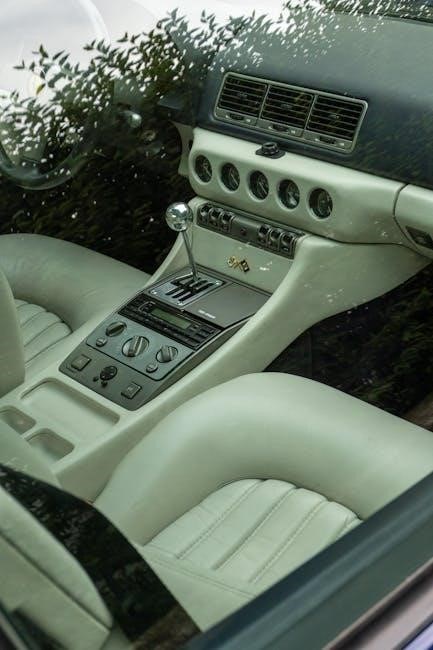
The brochure’s distribution numbers, when cross-referenced with current vehicle listings, support this trend. While precise production figures for each color are difficult to ascertain definitively, the sheer volume of Gray and Beige 944s available for sale suggests a higher initial production run. These colors generally present a more neutral base, potentially making them easier to maintain and resell over the years, contributing to their continued presence in the used car market.
Rare and Desirable Interior Colors
The 1987 Porsche 944 factory interior colors brochure reveals that Royal Blue (Code 139) and Marine Blue (Code 138) interiors are considerably less common than Gray or Beige options, immediately elevating their desirability among collectors. Burgundy (Code 134) and, particularly, the Red (Code 135) interiors also fall into this rarer category, representing a bolder aesthetic choice that fewer original buyers selected.
This scarcity directly impacts current market value; well-preserved 944s featuring these less-frequent colors often command a premium. The brochure’s limited representation of these hues, coupled with the inherent challenges of maintaining vibrant color over decades, contributes to their appeal. Collectors actively seek these unique interiors, viewing them as a distinctive feature that sets a vehicle apart, enhancing its overall collectibility and investment potential.
Impact of Interior Color on Vehicle Value
Analyzing the 1987 Porsche 944 factory interior colors brochure alongside current market data demonstrates a clear correlation between interior color and vehicle valuation. While condition remains paramount, rarer colors – like Royal Blue or Red – consistently contribute to higher sale prices. Gray and Beige interiors, being the most prevalent, generally result in more modest valuations.
Originality is key; a 944 with its factory-correct interior, verified through the brochure’s color codes, commands a premium. Modifications or replacements detract from value. The brochure serves as definitive proof of authenticity. Desirable color combinations, particularly those complementing the exterior paint, further enhance appeal. Ultimately, the interior color’s impact is a nuanced factor, influenced by rarity, originality, and aesthetic harmony.