citizen eco drive manual

Citizen Eco-Drive Overview
Citizen Eco‑Drive watches use solar power to keep quartz movements running‚ offering reliable timekeeping and low maintenance. The manual covers charging‚ settings‚ and care to keep watches clean‚ protected‚ and fully functional. for everyday use.
What Is Citizen Eco-Drive?
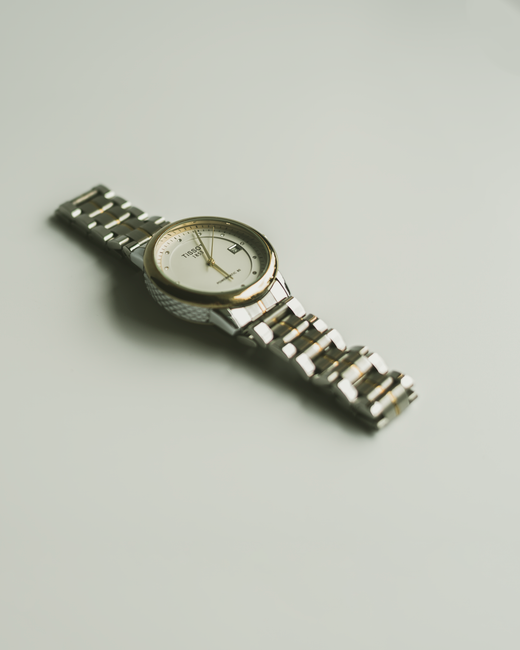
Citizen Eco‑Drive watches convert ambient light into electrical energy via a photovoltaic cell embedded in the dial‚ charging an internal battery that powers a quartz movement. The self‑sustaining system eliminates the need for battery changes‚ reducing waste and maintenance. Introduced in the early 1990s‚ the technology has expanded into dress‚ sports‚ and luxury collections‚ all featuring the same light‑powered principle. Users can recharge the watch by placing it under natural or artificial light‚ and the display automatically adjusts to daylight or night mode. This blend of sustainability‚ convenience‚ and advanced functionality has made Citizen’s Eco‑Drive a popular choice for consumers seeking reliable‚ eco‑friendly timepieces. The watches also offer water resistance up to 100 meters and feature scratch‑resistant sapphire crystal in many models‚ ensuring durability in everyday use. Citizen’s Eco‑Drive line includes the Promaster‚ Eco‑Sport‚ and Eco‑Luxury series‚ each designed to meet specific lifestyle needs while maintaining the brand’s hallmark precision. The Eco‑Drive system’s ability to eliminate disposable batteries aligns with global sustainability goals‚ making it a responsible choice for environmentally conscious consumers. Enjoy. Stay!!
History and Development
Citizen’s journey into solar‑powered timekeeping began in 1990 with the launch of the first Eco‑Drive model‚ a bold step that combined quartz precision with a photovoltaic cell hidden beneath a sapphire crystal. The initial design‚ the Citizen Eco‑Drive 20‚ was a modest 38‑mm case that demonstrated the feasibility of converting light into energy‚ eliminating the need for battery replacements. Over the next decade‚ Citizen refined the technology‚ improving the efficiency of the solar cells and expanding the range of applications. In 1996‚ the company introduced the Eco‑Sport series‚ targeting outdoor enthusiasts with enhanced water resistance‚ shock protection‚ and a rugged case. The same year‚ the Eco‑Luxury line debuted‚ showcasing elegant dials and high‑grade materials while maintaining the core solar principle.
By 2000‚ Citizen had integrated the Eco‑Drive into its flagship Promaster series‚ offering professional‑grade watches for divers‚ pilots‚ and athletes. The technology matured further with the introduction of the “Eco‑Drive 3‑Day” battery‚ which could store enough charge to power the watch for three days in darkness‚ a breakthrough that increased user confidence. In 2008‚ Citizen unveiled the Eco‑Drive 10‑Day battery‚ extending the dark‑time operation to ten days and cementing the brand’s reputation for reliability. The company also began collaborating with research institutions to develop more efficient photovoltaic materials‚ leading to the 2015 “Eco‑Drive 20‑Day” variant that could sustain a watch for up to 20 days without light.
Today‚ Citizen’s Eco‑Drive watches are available in over 60 models‚ ranging from minimalist dress watches to robust tactical gear. The brand continues to innovate‚ recently incorporating OLED displays in select models to further reduce power consumption. Citizen’s commitment to sustainability is evident in its use of recyclable materials and its goal to reduce disposable batteries worldwide. The Eco‑Drive line remains a testament to the company’s pioneering spirit and its dedication to merging technology with everyday elegance. Citizen’s Eco‑Drive continues to inspire innovation worldwide.
Key Features and Specifications
Solar‑powered quartz movement‚ 3‑day dark‑time battery‚ 200‑meter water resistance‚ sapphire crystal‚ stainless‑steel case‚ chronograph option‚ dual‑time zone‚ luminous hands‚ Eco‑Drive charging lights!
Solar Power Technology
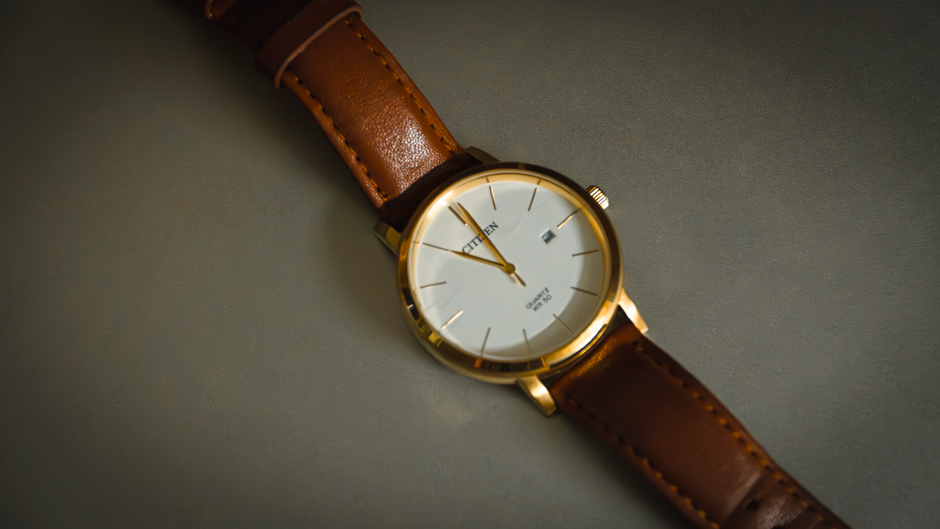
Citizen’s Eco‑Drive system employs a miniature photovoltaic cell embedded in the dial that converts visible and infrared light into electrical energy. The cell is coupled to a quartz escapement‚ allowing the watch to run continuously without battery changes. Light intensity is measured in lux; a full‑sun exposure of 1‚000 lux can recharge the internal capacitor within a few hours‚ while dim indoor lighting (100 lux) will still maintain power for several days. The energy is stored in a rechargeable capacitor that supplies the quartz movement during periods of darkness. This design eliminates the need for a traditional battery‚ reducing environmental waste and ensuring that the watch can be used in any lighting condition. The Eco‑Drive cell is protected by a sapphire crystal and a protective coating that resists scratches and dust‚ maintaining optimal light absorption over the watch’s lifetime. Users can monitor charge levels via the watch’s display or by observing the luminous hands‚ which glow brighter when the capacitor is fully charged. The system’s efficiency is approximately 70 % under optimal conditions‚ and the watch can operate for up to 3 days on a single charge in low‑light environments. Additionally‚ the Eco‑Drive technology supports a 12‑hour power reserve in low‑light conditions. Regular exposure to natural or artificial light keeps the capacitor topped up‚ ensuring reliable timekeeping and eliminating the hassle of battery replacement.
To maximize longevity‚ avoid exposing the watch to extreme temperatures or direct flame‚ and clean the dial with a soft cloth to keep the photovoltaic surface clear. Citizen recommends a yearly inspection to verify the seal integrity and to ensure the capacitor remains fully functional.
Water Resistance Ratings
Citizen Eco‑Drive watches feature a sealed case with a rubber O‑ring at the crown. Common models are rated 30 m‚ suitable for everyday splashes and brief immersion. Higher‑end models reach 50 m or 100 m‚ allowing swimming and snorkeling. The 100‑m models use a double‑seal design‚ protecting against water ingress up to 10 atm. Certain divers’ watches are certified to 200 m‚ with a screw‑down crown and a pressure‑resistant sapphire crystal. The dial’s water‑resistance indicator displays the depth rating. After exposure to salt or chlorine‚ rinse with fresh water and dry the crown. Avoid sudden temperature changes to keep the seal flexible. Regular maintenance checks every 12–24 months ensure gaskets remain secure. If water enters‚ seek professional repair immediately‚ as internal components may be damaged. The Eco‑Drive battery cell is sealed‚ preventing corrosion‚ but overall water‑resistance depends on case integrity. Follow the manual’s guidelines to protect the watch and maintain accurate timekeeping. Additionally‚ the manual recommends checking the crown’s seal integrity every 12 months and replacing the gasket if it shows signs of wear‚ ensuring long‑term reliability under varying environmental conditions. See the guide.!!
Case and Movement Details
The Citizen Eco‑Drive case is engineered from high‑strength stainless steel or lightweight titanium‚ depending on the model. A 20‑mm thick ceramic bezel protects the crystal‚ which is typically sapphire or mineral glass. The dial is coated with a scratch‑resistant layer and features luminous hands and markers powered by the Eco‑Drive movement. The movement itself is a quartz oscillator driven by a photovoltaic cell that converts light into electrical energy. This cell is positioned behind the dial‚ receiving ambient light from the watch face. The battery cell is sealed‚ eliminating the need for battery replacement. The movement is housed in a robust‚ sealed module with a 3‑way safety system: a rubber O‑ring‚ a silicone gasket‚ and a screw‑down crown. The watch is available in various sizes‚ from 38 mm to 44 mm‚ with interchangeable straps. The case back is either a smooth metal plate or a removable cover for servicing. The Eco‑Drive 01 and 02 series use a 3‑step power reserve indicator‚ while the 03 series displays a 24‑hour reserve.
Complications and Functions
Citizen Eco‑Drive models offer a range of complications that blend classic watchmaking with modern technology; The most common functions include a perpetual calendar that displays day‚ date‚ month‚ and year‚ with automatic leap‑year adjustment. A power‑reserve indicator shows remaining battery life‚ and a 24‑hour countdown timer can be set for alarms or events. Many sports‑oriented Eco‑Drive watches feature a chronograph with sub‑dials for seconds‚ minutes‚ and hours‚ as well as a tachymeter bezel for speed measurement. The world‑time function displays multiple time zones simultaneously‚ while a dual‑time display shows local and GMT times. Some models incorporate a luminous hand‑and‑marker system powered by the Eco‑Drive movement‚ ensuring visibility in low light. The watch also supports a simple alarm function that can be set to ring at a chosen hour. All complications are controlled via a single crown and push‑buttons‚ allowing quick adjustments without the need for a separate setting tool. The integrated solar cell keeps the movement charged‚ eliminating battery changes and ensuring long‑term reliability. Additionally‚ the Eco‑Drive’s integrated time‑zone database allows quick switching between regions‚ making it ideal for travelers. Dual‑time feature.!!
Operation and Electronic Settings
Operate the Eco‑Drive by exposing the crystal to light; the solar cell charges the quartz movement. Use the crown to toggle time‚ date modes‚ and press the side button to access countdown timer daily now.
Setting Time and Date
To set the time and date on a Citizen Eco‑Drive watch‚ first place the watch in a well‑lit area so the solar cell can charge the movement. Turn the crown counter‑clockwise until the seconds hand stops at 12 o’clock; this unlocks the setting mode. Then turn the crown clockwise to set the hour hand to the correct hour. For 12‑hour mode‚ toggle the AM/PM indicator by turning the crown until the correct period is displayed. Continue turning the crown clockwise to set the minute hand to the desired minute. After setting hour and minute‚ press the crown to lock the hands. To set the date‚ turn the crown counter‑clockwise until the date window shows the first day of the month‚ then turn clockwise to advance to the correct day. If the watch has a day‑of‑week indicator‚ turn the crown until the correct day appears. Finally‚ press the crown to lock the date setting. Return the crown to its normal position to resume normal operation. If the watch does not hold time after setting‚ allow it to charge for several hours in direct sunlight or under strong artificial light. The Eco‑Drive system will automatically adjust the power reserve and maintain accurate timekeeping. For further details‚ consult the user manual’s troubleshooting section or contact Citizen customer support.
Using the Eco‑Drive Recharge Function
To recharge your Citizen Eco‑Drive watch‚ position it in a well‑lit area so the integrated solar cell can absorb light. The cell is located on the dial’s surface; ensure it is free of dirt‚ fingerprints‚ or protective film. For optimal charging‚ expose the watch to direct sunlight or a strong artificial light source for at least 30 minutes. The Eco‑Drive system converts light into electrical energy‚ storing it in a rechargeable battery that powers the quartz movement. The watch’s power‑reserve indicator‚ usually a small LED or a dedicated dial‚ will display the remaining charge level. When the indicator shows a low charge‚ place the watch under a light source for a longer period‚ up to several hours‚ to fully recharge. If you notice the watch’s power reserve is not improving‚ clean the solar cell with a soft‚ dry cloth to remove any grime. Avoid using water or cleaning solutions directly on the cell. In case of accidental exposure to sea water‚ immediately place the watch in a sealed plastic bag and seek professional repair to prevent internal pressure damage. The manual advises that the Eco‑Drive system automatically manages power consumption‚ so once the battery is charged‚ the watch will continue to run without manual intervention. For detailed troubleshooting‚ refer to the “Common Issues and Fixes” section of the user manual. Remember to keep the watch away from direct heat and magnetic fields during charging to preserve battery health.
Customizing Watch Faces
Citizen Eco‑Drive watches let you tailor the look of the dial to match your style or needs. The manual shows how to cycle through the standard analog face‚ the digital time‑and‑date overlay‚ and the optional World Time mode that displays several time zones at once. To change the face‚ press the small button on the right side of the case until the current display flashes‚ then release and press again to cycle through the available options. Each face can be further customized by selecting a color scheme—light‚ dark‚ or monochrome—using the same button sequence. For watches equipped with the Citizen Connect app‚ you can download additional face designs from the app store and sync them via Bluetooth. The manual also explains that the solar cell’s light sensor automatically adjusts the brightness of the display to preserve battery life; you can override this by selecting the “Brightness” setting in the watch’s menu. When a new face is selected‚ the watch’s power‑reserve indicator updates to reflect the energy consumption of the chosen display type. If the watch does not respond‚ ensure the battery is fully charged and the solar cell is clean. Finally‚ the manual advises resetting the watch to factory settings if you wish to remove all custom faces and return to the default configuration.
Maintenance‚ Troubleshooting‚ and FAQs
Follow the manual daily care cleaning guide: wipe the case with a dry cloth‚ avoid water‚ and keep the solar cell clearin. For power issues‚ recharge with light for 3–4 h. Contact Citizen for repairs.
Cleaning and Care Guidelines
Regular maintenance keeps your Citizen Eco‑Drive watch in peak condition. First‚ remove the bracelet or strap and gently wipe the case‚ crystal‚ and crown with a soft‚ lint‑free cloth. Avoid abrasive cleaners or solvents that could damage the finish. If the solar cell becomes dirty‚ use a dry microfiber cloth to remove dust; never apply liquid directly to the cell. For deeper cleaning‚ lightly dampen a cloth with distilled water and wipe the exterior‚ then dry immediately. Do not submerge the watch in water unless it is rated for the depth you intend; for accidental water exposure‚ dry the watch in a cool‚ dry place and contact Citizen if the watch shows any irregularity. Periodically check the battery seal and replace the crown if it feels loose. Store the watch in a cool‚ dry environment away from direct sunlight and magnetic fields to preserve the accuracy of the quartz movement. Follow these steps monthly to ensure longevity and optimal performance. Additionally‚ when the watch is exposed to extreme temperatures‚ allow it to acclimate slowly to room temperature before use to prevent condensation inside the movement. For long‑term storage‚ keep the watch in its original box or a soft pouch‚ and avoid placing it near strong magnets or direct sunlight for extended periods. Store it in a soft pouch and avoid strong magnets or direct sunlight for safe storage.
Common Issues and Fixes
Citizen Eco‑Drive watches occasionally experience a few predictable problems that can be resolved with simple steps. The most frequent issue is a loss of power when the solar cell is covered or obstructed; simply expose the watch to direct light for 30 minutes to 1 hour and the battery will recharge. A second common problem is a slow or inaccurate timekeeping caused by a low‑level battery or a misaligned crown; resetting the time using the crown and allowing the watch to run for 24 hours will usually restore accuracy. If the watch stops completely‚ check for water ingress—especially after swimming or showering—by inspecting the crown and case back; if water is suspected‚ place the watch in a sealed bag of rice or silica gel and contact Citizen service. Finally‚ a dim or flickering display can result from a dirty solar cell; clean the cell gently with a dry microfiber cloth. If problems persist after these steps‚ schedule a service appointment through the Citizen support portal for professional inspection. Remember that the Eco‑Drive technology is designed to operate with sunlight; however‚ in low‑light environments the charge rate will be slower‚ so positioning the watch near a window or using a solar charger can help maintain daily battery levels over time.
Contacting Citizen for Repairs
To arrange a repair for your Citizen Eco‑Drive watch‚ begin by locating the nearest authorized service center. Visit the official Citizen website and navigate to the “Service & Support” section‚ where a global map lists certified repair facilities. Alternatively‚ use the online service request form‚ entering your model number‚ serial number‚ and a brief description of the issue. For warranty‑covered items‚ ensure you have the original purchase receipt and proof of warranty status; these documents expedite the repair process. If you prefer phone assistance‚ call the Citizen customer service hotline available in your region; representatives can provide guidance on shipping the watch‚ estimated turnaround times‚ and any applicable service fees. When shipping‚ use the provided prepaid label or a reputable courier‚ and package the watch securely with protective padding to prevent damage. Track the shipment via the tracking number supplied by Citizen. Upon receipt‚ the service center will diagnose the problem‚ perform necessary repairs‚ and return the watch with a detailed service report. After the repair‚ test the watch’s solar charging function and water‑resistance integrity before resuming regular use. Should you have any concerns about the repair quality‚ you may file a complaint through the Citizen website’s “Customer Feedback” portal‚ where a dedicated team will review your case and provide a resolution. Citizen also provides a 12‑month warranty on all repairs‚ ensuring a recurring issue will be addressed at no extra cost. All records are stored digitally!!