e36 manual swap
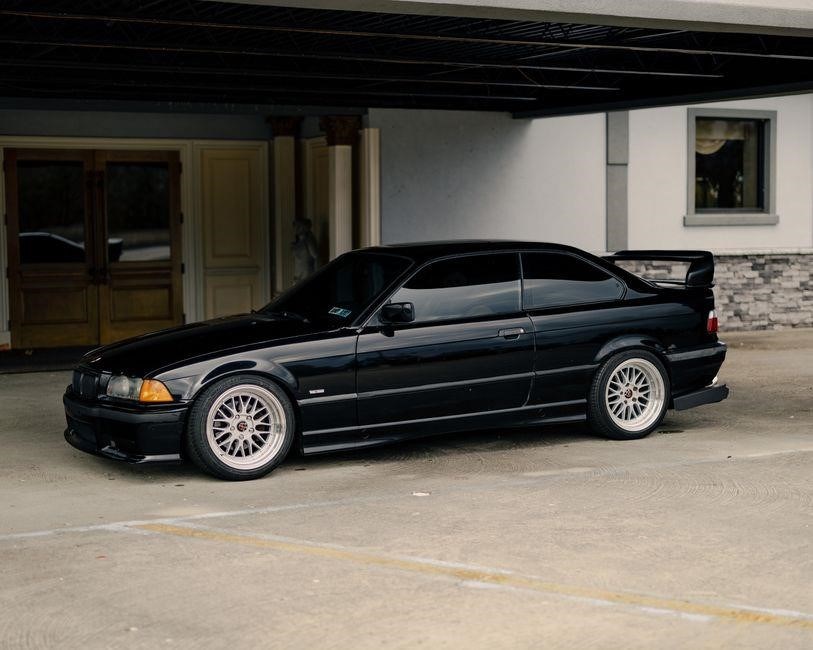
Many E36 owners seek a manual swap to revive classic driving feel. YouTube series show step‑by‑step ZF 5‑speed installs‚ detailing parts‚ costs‚ and performance gains. Enthusiasts note the excitement‚ and the swap sparks passion for all Enjoy ride. The community shares tips‚ photos‚ and progress updates.
Popularity of DIY Projects in the E36 Community
In recent years‚ the BMW E36 community has seen a surge in DIY transmission swaps‚ especially the shift from automatic to manual gearboxes. Online forums‚ YouTube channels‚ and social media groups have become hubs for enthusiasts to share step‑by‑step guides‚ parts lists‚ and progress updates. A notable example is the “E36 Manual Transmission Swap Series‚” which documents every episode from removal to calibration‚ providing viewers with real‑time troubleshooting tips. Many owners report that the process‚ while time‑intensive‚ offers a rewarding sense of accomplishment and a tangible improvement in driving dynamics; The widespread availability of aftermarket kits‚ such as the ZF S5d 320z 5‑speed conversion package‚ has lowered the barrier to entry‚ allowing hobbyists to source compatible gearboxes without extensive modifications. Additionally‚ the community’s collaborative spirit means that newcomers can access a wealth of knowledge from seasoned builders‚ reducing common pitfalls and encouraging experimentation with high‑performance alternatives like the T56 Magnum 6‑speed kit. This collective enthusiasm not only fuels individual projects but also drives demand for specialized tools and parts‚ further expanding the ecosystem of E36 customization.
The community’s enthusiasm is fueled by accessible resources‚ affordable parts‚ culture sharing. Many owners document every step‚ encouraging newcomers to tackle the swap with confidence
Their shared successes inspire projects.
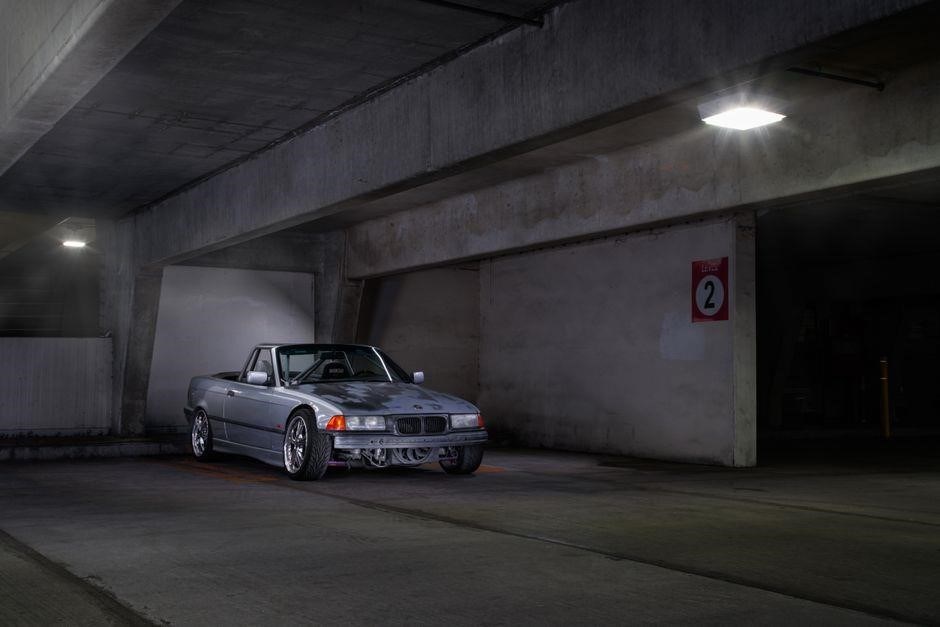
Advantages of a Manual Gearbox over the Stock Automatic
Manual gearboxes give drivers direct engagement‚ better throttle response‚ and improved acceleration. They reduce weight‚ lower cost‚ and allow precise gear selection‚ enhancing driving enjoyment and performance. Many E36 owners report noticeable power gains and a more authentic driving feel. for hobbyists
Driving Experience and Performance Gains
Converting an E36 from its stock automatic to a manual gearbox transforms the daily drive into a more engaging‚ hands‑on experience. The most immediate benefit is the ability to select gears manually‚ allowing the driver to keep the engine in its optimal power band. This results in quicker acceleration off the line‚ sharper throttle response‚ and a noticeable increase in top‑end speed. Many swap enthusiasts report a 5‑10% improvement in 0‑60 times after installing a ZF 5‑speed manual‚ thanks to the lighter weight and higher torque capacity of the manual unit compared to the original automatic. The manual also eliminates the torque converter’s slip‚ which can waste power and reduce efficiency. In addition‚ the driver gains full control over shift timing‚ enabling techniques such as rev‑matching and down‑shifting for better braking performance. The tactile feel of a clutch pedal and gear selector adds to the driving pleasure‚ making the E36 feel more like a classic sports car rather than a modern sedan. Performance gains are not limited to raw acceleration; the manual gearbox also improves fuel economy in certain driving conditions because the engine can be kept at lower RPMs during cruising. The overall driving experience becomes more connected‚ as the driver must actively engage with the vehicle’s mechanical systems. For those who value authenticity and performance‚ the manual swap delivers a compelling upgrade that honors the E36’s heritage while offering measurable performance benefits. Drivers also report that the manual gearbox’s lighter flywheel and shorter shift times reduce engine braking‚ allowing for smoother corner entry and exit. The ZF 5‑speed’s gear ratios—1st 3.09‚ 2nd 1.88‚ 3rd 1.26‚ 4th 0.95‚ 5th 0.77—provide a balanced spread that keeps the 3.0‑liter engine in its sweet spot. The swap also opens the door to aftermarket upgrades such as a short‑shifter‚ a stronger clutch‚ or a performance torque converter for hybrid setups. On the track‚ the manual’s precise shift points enable drivers to push the car harder‚ while on the street it offers a more engaging daily drive. Some owners note that the manual’s lighter weight reduces overall vehicle mass by roughly 30 lb‚ improving handling and braking. In terms of maintenance‚ the manual gearbox typically requires fewer fluid changes and can be serviced more easily than a complex automatic. Overall‚ the manual swap delivers a richer‚ more responsive driving experience that resonates with enthusiasts who value control‚ performance‚ and the classic feel of a true sports car. This upgrade boosts car’s resale value among collectors who prize manual transmissions authenticity!!
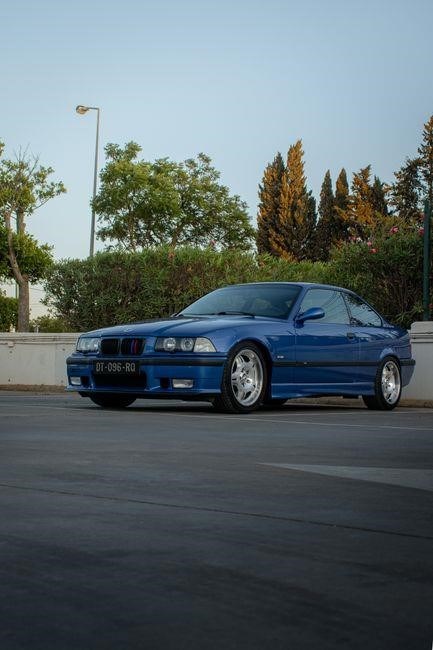
Essential Parts for the Conversion Process
Key items: a ZF 5‑speed manual‚ a clutch kit‚ a new flywheel‚ a torque converter‚ a transmission mount‚ a shifter linkage‚ a gear linkage‚ a custom bellhousing‚ and wiring harness adapters. Also‚ a ECU or reflash for sync. The swap needs a torque converter‚ custom bellhousing‚ and ECU tuning‚ for precision.
Choosing the Appropriate Gearbox (e.g.‚ ZF 5‑Speed)
Choosing the right gearbox is critical for an E36 manual swap. The ZF 5‑speed (S5d 320z) is the most common choice because it matches the 3.2‑liter engine’s torque curve and offers smooth‚ proven ratios: 1st 3.50‚ 2nd 2.00‚ 3rd 1.40‚ 4th 1.00‚ 5th 0.80. Its short‑throw shifter and lightweight construction reduce drivetrain mass‚ improving handling. Compatibility hinges on a custom bellhousing that mates the ZF gearbox to the E36’s engine block‚ aligning the clutch and flywheel. A new torque converter is required to protect the clutch and provide smooth engagement. The ECU must be reflashed or replaced with a standalone unit to sync shift points and rev‑limit settings‚ ensuring the engine and gearbox work together. By evaluating gear ratios‚ torque capacity‚ and fitment‚ owners can pick a gearbox that delivers reliability‚ performance‚ and a genuine manual experience. Owners should also verify that the chosen gearbox’s bellhousing bolts match the engine’s mounting points‚ and that the clutch disc and pressure plate are compatible with the new flywheel to avoid premature wear. After installation‚ a proper alignment of the transmission to the driveshaft is essential; many kits provide a custom crossmember or spacer to ensure the torque converter sits correctly. Finally‚ a thorough dyno session post‑swap confirms that the gear ratios translate into the expected acceleration curves‚ allowing fine‑tuning of the ECU if necessary. The ZF 5‑speed’s durability is proven‚ gear oil capacity is suitable for the E36’s cooling system‚ eliminating the need for aftermarket oil coolers. Swap is practical for fans now.

Commercial Kits Available for the Swap
Commercial kits simplify the swap. They bundle a ZF 5‑speed gearbox‚ bellhousing‚ clutch‚ and wiring harness. Kits like the ZF S5d 320z package for the 328i include everything needed‚ reducing labor and ensuring proper fit. These kits often include a custom cross‑member and adapter plates for fit. Now!
ZF S5d 320z 5‑Speed Conversion Package for the 328i
The ZF S5d 320z 5‑speed conversion package is a turnkey solution for the 328i. It bundles the ZF 5‑speed gearbox‚ a custom bellhousing‚ a high‑torque clutch kit‚ a full wiring harness‚ and a cross‑member that keeps the transmission in the correct position. The bellhousing mates to the 3.2‑liter inline‑six engine‚ preserving mounting points while providing a robust flange. The clutch kit includes a premium pressure plate‚ a multi‑disc flywheel‚ and a hydraulic system that matches the original line routing for smooth engagement. Wiring harnesses are pre‑wired to the ECU‚ eliminating the need for custom wiring or ECU reflash. The cross‑member is fabricated from high‑strength steel‚ designed to fit the 328i’s chassis geometry‚ keeping the transmission in the correct longitudinal position and maintaining proper shift linkage geometry. Installation typically takes 8–10 hours for a skilled mechanic‚ and the kit eliminates many common pitfalls of a DIY swap‚ such as misaligned bellhousing or incorrect clutch alignment. Performance gains are noticeable: the 5‑speed gearbox offers a tighter gear ratio spread‚ improving acceleration and throttle response‚ while the manual shift lever provides a more engaging driving experience. The package is priced competitively‚ making it an attractive option for owners who want a reliable‚ factory‑grade swap without the expense of a custom build. Overall‚ the ZF S5d 320z kit delivers a seamless‚ high‑quality conversion that preserves the 328i’s original character while adding the excitement of a manual transmission.
The kit’s design also considers cooling; the transmission cooler is routed through the existing radiator‚ ensuring optimal temperature control during spirited driving. Additionally‚ the package includes a revised shift linkage that matches the original lever geometry‚ allowing drivers to enjoy the familiar feel of the 328i’s shifter while benefiting from the manual’s precision. For those who value authenticity‚ the kit’s components are sourced from OEM suppliers‚ guaranteeing durability and performance parity with factory specifications. Finally‚ the kit’s documentation provides a step‑by‑step installation guide‚ complete with torque specifications and alignment charts‚ making the conversion approachable for experienced hobbyists and professional shops alike. This comprehensive support reduces the learning curve and ensures a reliable final product;
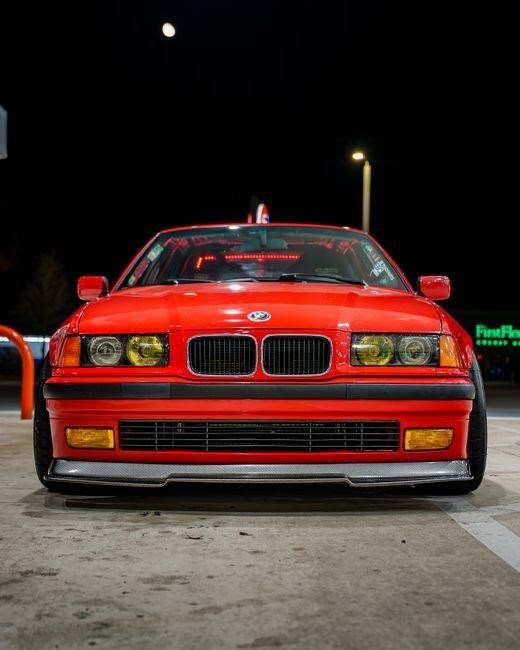
Many E36 owners seek a manual swap to revive classic driving feel. YouTube series show step‑by‑step ZF 5‑speed installs‚ detailing parts‚ costs‚ and performance gains. Enthusiasts note the excitement‚ and the swap sparks passion for all Enjoy ride. The community shares tips‚ photos‚ and progress updates. The T56’s converter gearset upgrades quality and smooth!
T56 Magnum 6‑Speed Manual Kit for the E36
The T56 Magnum 6‑speed manual kit offers a high‑performance alternative for E36 owners seeking a robust drivetrain upgrade. Derived from the 3.0‑liter inline‑six engine‚ the T56 brings a stronger torque curve‚ a heavier gearset‚ and a modern electronic control unit that can be adapted to the E36’s existing wiring harness. Key components of a typical kit include the gearbox itself‚ a custom bellhousing‚ a revised torque converter‚ a new clutch assembly‚ and an adapter plate that aligns the transmission to the 3.0‑L engine’s bellhousing pattern. The conversion typically requires a new engine mount‚ a revised driveshaft‚ and updated cooling lines to accommodate the increased power output. Many builders report a 20‑30 hp increase over the stock 3.0‑L‚ along with a smoother shifting and a more engaging driving experience. The T56’s 6‑speed gear ratios are designed for both performance and fuel efficiency‚ offering a top‑end ratio that keeps the engine in its sweet spot during spirited driving. Installation steps involve removing the stock automatic‚ installing the new bellhousing‚ mounting the T56‚ and re‑routing the wiring harness to connect the transmission’s torque sensor and shift logic. After mechanical assembly‚ a thorough dyno session is recommended to fine‑tune the shift points and ensure optimal performance The kit’s compatibility with aftermarket upgrades such as a larger turbo or a high‑flow exhaust system makes it a popular choice for E36 enthusiasts who want to push the car’s limits while maintaining a manual feel.
Installation Workflow Summary
The swap starts by removing the stock automatic‚ then mounting the new gearbox and aligning the bellhousing. Next‚ the clutch is installed‚ wiring is connected‚ and shift logic is calibrated. A final dyno session fine‑tunes shift points for optimal performance. Then a check of mounts fluid levels confirms fit.
Key Phases: Transmission Removal‚ Mounting‚ Wiring‚ and Calibration
Step one starts with removing the factory automatic gearbox. The transmission tunnel is cleared‚ the torque converter detached‚ and the cross‑member unbolted. Careful handling of the clutch assembly prevents flywheel damage. Next‚ the new ZF 5‑speed bellhousing is aligned to the engine block. A custom adapter plate matches the E36’s mounting geometry‚ and the bellhousing is secured with high‑strength bolts. The clutch disc and pressure plate are installed‚ and the flywheel is re‑torqued to spec.
Wiring follows. The clutch pedal connects to the hydraulic system‚ and the shift linkage routes to the manual shifter. All sensors‚ such as the clutch position sensor and transmission range sensor‚ wire to the ECU. The harness routes through the firewall‚ avoiding interference with cooling. After verifying all connections‚ the ECU is re‑mapped to recognize manual shift logic‚ adjusting shift points and torque converter lock‑up.
Calibration comes next. A dyno session fine‑tunes shift timing for smooth engagement and optimal performance. Drivers report increase in throttle response and road feel!!! The clutch pedal travel is set for ergonomic comfort‚ and the shift lever matches gear ratios. Finally‚ a road test confirms all systems function correctly‚ with no error codes or drivability issues. The result is a fully functional manual transmission that restores the classic E36 driving experience.
After the road test‚ a final inspection checks fluid levels‚ clutch cable adjustment‚ and seals the transmission pan. Minor maintenance such as clutch fluid top‑ups and shift linkage checks keeps the system reliable. With these steps completed‚ the E36 is ready to deliver a genuine manual driving experience.
Common Pitfalls and How to Resolve Them
Alignment errors‚ shifter mismatch‚ and engine mount shifts are frequent. Use a proper adapter plate‚ match shift linkage to bellhousing‚ and adjust mounts to keep torque path straight. Verify all bolts torque and inspect for leaks before driving!!!!!!!!!
Alignment Issues‚ Shifter Compatibility‚ and Engine Mount Adjustments
When swapping a manual into an E36‚ precise alignment of the bell‑housing to the engine block is critical. A mis‑aligned mount can cause torque converter slippage‚ premature bearing wear‚ and even catastrophic failure. Use a dedicated alignment jig or a high‑precision torque wrench to ensure the bell‑housing bolts sit flush with the engine’s crankshaft counter‑shaft. Verify the angle between the transmission input shaft and the engine’s crankshaft is within ±0.5°; most DIY guides recommend a digital angle gauge for this step.
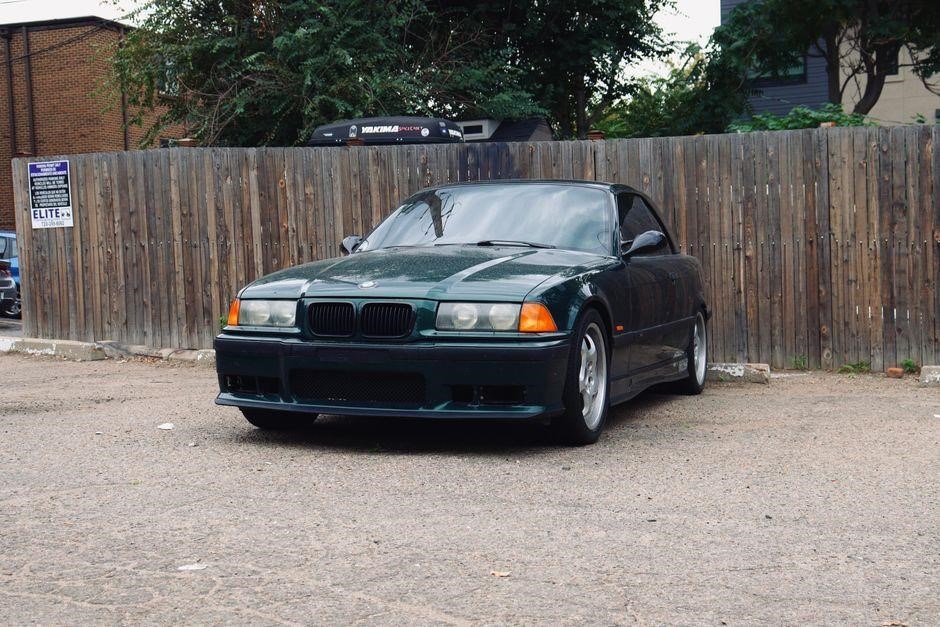
Shifter compatibility is another common pitfall. The stock automatic shifter linkage is designed for a torque‑converter based system‚ so it will not line up with a manual bell‑housing. Replace the linkage with a kit that matches the chosen gearbox‚ such as the ZF S5d 320z conversion kit‚ which includes a proper shift lever and linkage. If you are using a T56 Magnum‚ you will need a custom shifter plate to mate the 6‑speed input shaft to the E36’s steering column. Always test the shift feel before final torqueing.
Engine mount adjustments are often overlooked. The E36’s original mounts are tuned for the weight and torque distribution of an automatic. After installing a heavier manual‚ the engine sits lower‚ increasing flex on the mounts. Strengthen the mounts by adding a secondary plate or using aftermarket high‑strength mounts. Additionally‚ adjust the rear differential mounting bracket to compensate for the altered center of gravity. This helps maintain proper gear ratios and reduces wear on the differential gears.
Finally‚ perform a comprehensive brake and suspension check. A manual swap changes the vehicle’s weight distribution‚ which can affect braking performance and handling. Replace the rear sway bar with a stiffer version and consider upgrading the front struts to a coil‑over setup. These adjustments will keep the car balanced and safe during spirited driving.